

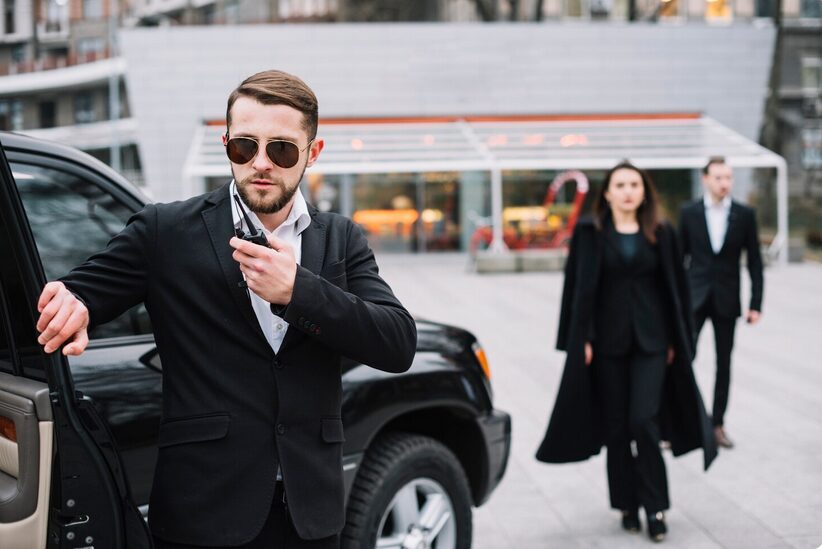
In today’s world, celebrities face a variety of threats that go beyond mere paparazzi attention or public scrutiny. High-profile individuals encounter security risks that can range from aggressive fans to targeted criminal activity. This is why many stars invest in professional personal security teams, known as close protection services. These teams offer much more than simple bodyguard presence; they provide a structured approach to safety, mobility, and peace of mind. From planning safe routes during public appearances to discreetly monitoring potential risks, close protection services allow celebrities to maintain their lifestyle without constant worry. For those seeking reliable and professional oversight of their personal security, understanding the benefits of these services is essential for managing public exposure effectively.
Enhanced Physical Safety
The most obvious advantage of close protection services is the increased level of personal safety. Celebrities often attend crowded events or public appearances where security breaches are possible. Trained close protection officers are equipped to assess situations in real time, recognize threats, and react promptly to mitigate risks. This includes everything from intercepting aggressive individuals to identifying potential hazards before they escalate. With professional oversight, celebrities can enjoy public events without constantly fearing for their personal well-being. The presence of trained personnel acts as a deterrent, significantly reducing the likelihood of incidents that could compromise safety.
Privacy Management
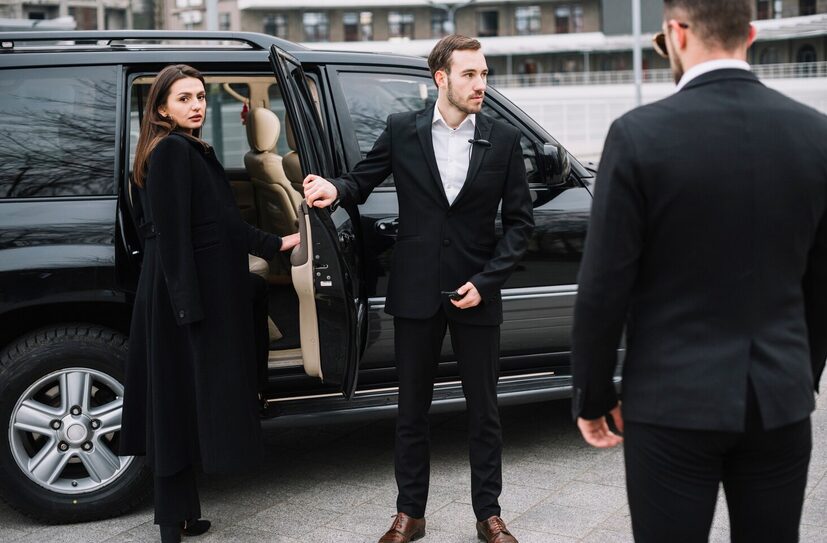
Beyond physical safety, close protection teams help celebrities maintain privacy in situations where media attention or fan interactions may become intrusive. Managing the public’s access is a delicate task that requires strategic planning and discretion. Security professionals ensure that private moments, personal travel, and family activities remain shielded from unwanted attention. By controlling entry points, monitoring surroundings, and coordinating with event organizers, close protection services provide a buffer between celebrities and the public, enabling high-profile individuals to navigate daily life with minimal disruption. This aspect of protection is especially important for maintaining mental well-being and preserving personal space in highly visible careers.
Crisis and Emergency Response
Emergencies can arise unexpectedly, whether in the form of natural disasters, medical situations, or sudden security threats. Close protection personnel are trained to act swiftly under pressure, implementing evacuation plans, securing safe zones, or providing immediate assistance in dangerous circumstances. Their ability to remain composed during high-stress scenarios ensures that celebrities receive the necessary support without panic or confusion. This preparedness goes beyond the reactive; it includes proactive measures, such as planning safe travel routes, scouting venues ahead of events, and developing contingency strategies. By relying on expert crisis management, celebrities reduce potential risks associated with unforeseen events.
Professional Travel Coordination
For individuals with demanding schedules and frequent travel commitments, close protection teams play a crucial role in logistics and movement. Officers coordinate secure transportation, select safe accommodations, and monitor travel routes to minimize exposure to threats. They also adapt to local security challenges, from congested city streets to international destinations with varying safety standards. This allows celebrities to focus on professional obligations or personal engagements without the constant burden of planning for safety. Efficient travel oversight ensures that every movement is calculated, reducing delays and eliminating unnecessary risks.
Peace of Mind and Lifestyle Freedom
Perhaps one of the most underrated benefits of close protection services is the psychological reassurance it provides. Knowing that trained professionals are monitoring potential threats allows celebrities to engage more …